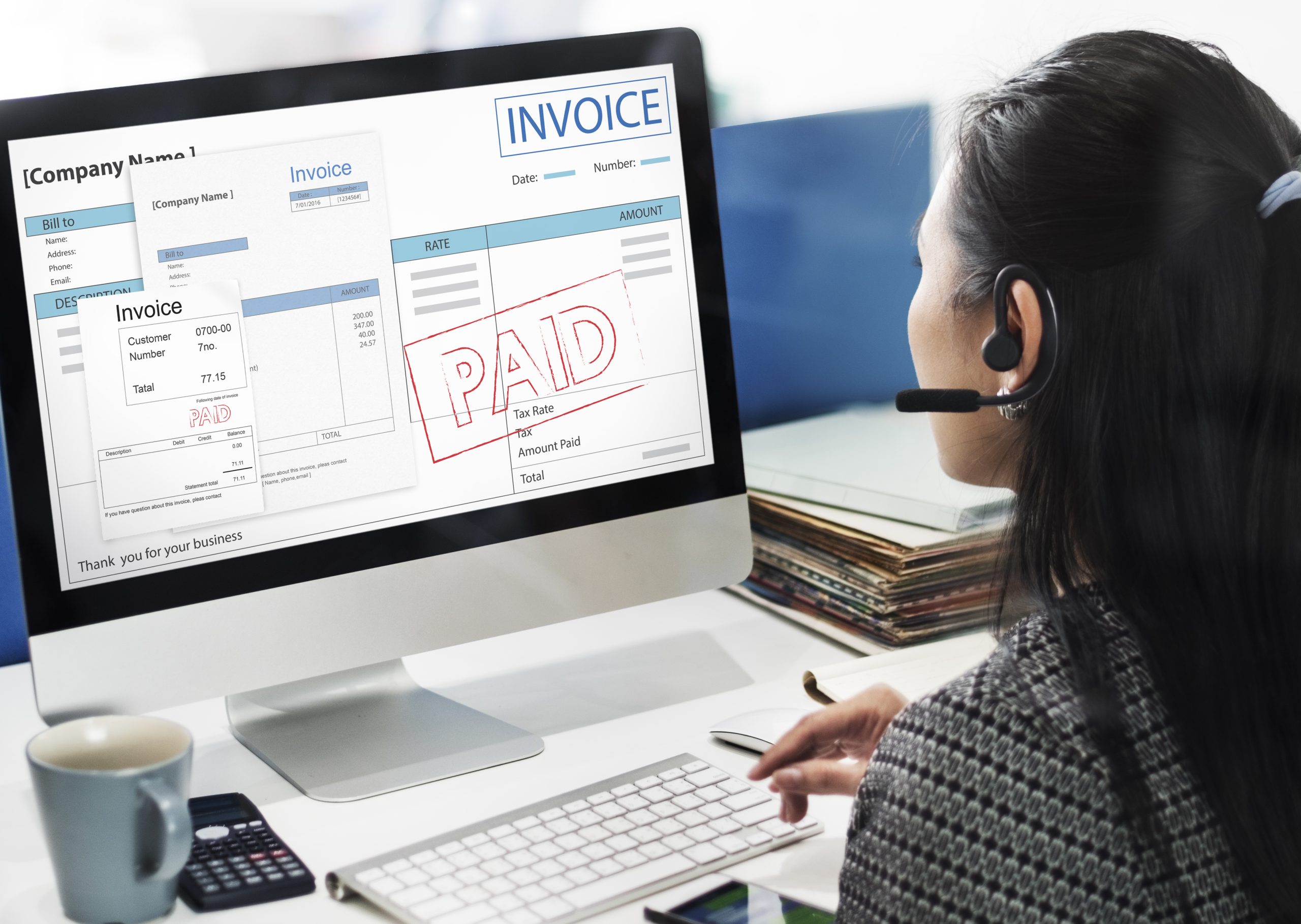
Invoicing is a crucial part of business operations, serving as the foundation for maintaining a healthy cash flow. However, sending invoices is only half the battle. The real challenge often lies in the follow-up. When clients forget to pay, ignore reminders, or simply delay payments, businesses are left with slow or missed payments that can significantly disrupt their cash flow. This can create a ripple effect that impacts everything from paying bills on time, managing payroll, to even reinvesting in business growth. Unfortunately, the longer payments go unpaid, the harder it becomes to maintain a steady cash flow, leading to unnecessary stress and operational challenges.
In this blog, we’ll dive into how automated invoice follow-ups can be the game-changer for businesses, helping them get paid faster, reduce the administrative burden, and streamline the entire payment process. By integrating automated systems that follow up with clients on overdue invoices, businesses can see immediate improvements in both cash flow and operational efficiency, while also minimizing the time spent chasing payments.
Cash flow is the lifeblood of any business. Without a healthy cash flow, businesses struggle to cover operational costs, pay employees, reinvest in growth, and make strategic decisions. One of the most common reasons for poor cash flow is delayed payments.
According to the 2025 Intuit QuickBooks Small Business Late Payments Report, over half (56%) of U.S. small businesses are owed money from unpaid invoices, averaging $17,500 per business. Additionally, nearly half (47%) of these businesses have invoices overdue by more than 30 days. This widespread issue of late payments puts significant strain on businesses, especially those without an effective way to follow up on overdue payments, leading to cash flow problems and difficulties in hiring and growth.
Manually chasing down unpaid invoices takes valuable time and energy. It’s not just the financial strain that businesses face, but the emotional and operational stress of repeatedly contacting clients for payments.
But what if businesses could reduce the time spent on follow-ups and improve payment collection rates? That’s where automated invoice follow-ups come in.
Automated invoice follow-ups use software tools that automatically send reminders to clients about unpaid invoices via SMS, email, or other communication channels. These reminders can be scheduled based on specific dates, like after an invoice is overdue, or as recurring reminders until payment is received.
Platforms like Retenva offer seamless integration with invoicing systems such as QuickBooks, Xero, and Stripe, enabling automated follow-ups with minimal manual intervention. Retenva imports unpaid invoices, sends reminders, and keeps clients informed without additional work from the business owner or accounting team.
1. Speedy and Consistent Reminders
One of the key advantages of automated invoice follow-ups is speed. Rather than waiting days or weeks to send follow-up reminders, automated systems can send instant and consistent messages as soon as an invoice becomes overdue.
While businesses often face late payments, which impact up to 55% of B2B invoices, according to UpFlow, implementing automated payment reminders is a proven solution to accelerate cash flow. Systems that send timely, polite reminders can reduce overdue accounts and collect payments 30-40% faster, as automated reminders ensure prompt follow-ups without delay, says RazorPay.
Automation also removes the administrative burden of manual follow-ups, ensuring consistent communication so clients know a payment is expected, without damaging the business relationship. In a study by Juntrax, this approach reduces average payment delays from 45 days to 15-20 days, helping businesses improve cash flow efficiently.
2. Reduced Administrative Burden
Chasing payments manually can become a time-consuming and stressful task. Business owners or accounting teams often spend hours each week drafting emails, making phone calls, and tracking overdue invoices. This process can be repetitive and inefficient, taking time away from more critical business activities like client acquisition or product development.
With automated follow-ups, the system handles the communication, allowing business owners and staff to focus on revenue-generating tasks. Once a payment is made, the system can update the invoice status, ensuring that everything remains in sync without any extra manual work.
For example, using platforms like Retenva, businesses can automate reminders for overdue invoices, freeing up resources while improving collection rates.
3. Enhanced Client Relationships and Professionalism
While it might feel uncomfortable to ask for payment, automated reminders take the stress out of the equation. Clients are more likely to appreciate the professional approach of automated invoice reminders, as they are clear, consistent, and non-intrusive.
Instead of calling repeatedly or sending angry emails, businesses can use polite and friendly reminders that are automated based on the invoice’s due date. For example, Retenva allows businesses to send polite SMS and email reminders with customizable templates, ensuring a professional tone throughout the entire process.
By automating this process, businesses maintain positive relationships with clients, showing that they are organized and professional, without the need for awkward conversations.
4. Improved Payment Collection Rates
A major benefit of automated reminders is increased collection rates. When clients receive regular and consistent reminders, the chances of payment being delayed significantly decrease. According to McKinsey & Company, businesses that implement automated collections see an improvement in their collection rate and reduced overdue accounts.
The frequency and consistency of automated reminders ensure that clients don’t forget about their payment obligations. Whether it’s an initial reminder or a final notice, automated systems can send multiple reminders at different intervals, increasing the likelihood of getting paid.
Platforms like Retenva allow businesses to schedule reminders, track unpaid invoices, and automatically update clients about their overdue payments. This consistent, automated follow-up often results in clients paying faster because they’re reminded regularly.
5. Global Reach and Convenience
With automated follow-up systems, businesses can reach clients globally without worrying about time zones or communication barriers. Automated reminders can be sent via email or SMS across borders, making it easier for international clients to stay up-to-date with their payment obligations.
Retenva, for instance, supports international SMS capabilities, ensuring that businesses can send reminders to clients anywhere in the world, improving global cash flow.
In today’s fast-paced business environment, automation isn’t just a luxury; it’s a necessity. As businesses grow and their client base expands, it becomes increasingly difficult to manually manage invoices and payment reminders. Automated systems reduce the administrative burden and ensure that businesses stay on top of their cash flow at all times.
In fact, according to a study by Garfield Law, manual invoice chasing creates a significant financial drain and administrative burden, harming cash flow and diverting team time from growth activities. Automated payment reminder systems are designed to solve this by accelerating cash collection and saving valuable administrative hours.
Platforms like Retenva bridge the gap between manual collection processes and modern automation. They offer the simplicity and reliability that businesses need to stay competitive and ensure they get paid faster.
Research shows that the more invoices a business follows up on, the faster payments arrive. Businesses that follow up with 90% or more of their invoices are significantly more likely to receive payment within one week of the invoice due date, especially when combining email and SMS reminders.
Email alone can be overlooked, email open rates are often low because inboxes are crowded. Meanwhile, SMS messages achieve open rates up to 98%, making them ideal for urgent payment reminders that catch attention quickly. When these channels are used together, businesses dramatically increase their chance of prompt payment compared to using email alone
Automated invoice follow-ups aren’t just about making the collection process easier, they’re about improving cash flow, reducing stress, and enhancing professionalism in your business. By automating payment reminders, businesses can ensure that invoices are paid faster, freeing up resources for growth and innovation.
Retenva simplifies invoice follow-up by integrating with top invoicing platforms like QuickBooks, Xero, and Stripe to automatically detect unpaid invoices and send SMS and email reminders. This ensures that businesses get paid faster, without wasting time on repetitive tasks.
In the fast-paced world of business, automation is the key to maintaining healthy cash flow, improving client satisfaction, and staying ahead of the competition. It’s time to leave the manual follow-up behind and embrace the future of automated invoice reminders.
Ready to automate your invoice reminders? Start using Retenva today to streamline your invoicing process and get paid faster with less effort.